The strict Florida Keys hurricane building codes aren't just red tape; they're the most valuable insurance policy your luxury waterfront property will ever have. We know that the maze of regulations, from the complex 50% rule for renovations to the specific wind-load requirements of the 8th Edition code, can feel overwhelming when you're looking to invest in a legacy estate. It's natural to feel a bit of anxiety about storm resilience or rising insurance premiums in such a unique environment. This guide will demystify these essential standards, showing you how to turn technical compliance into a powerful asset that protects both your family and your financial future.
You'll discover how the latest mandates, which require homes to withstand winds up to 180 mph, can actually reduce your long-term costs and provide a clear roadmap for your next high-end renovation. We've gathered these insights to give you total confidence in your investment's structural integrity. We truly appreciate you taking the time to learn about our beautiful islands. If you have any questions or need a list of current homes on the market that meet these elite standards, please reach out to us anytime.
Key Takeaways
- Understand how the evolution of Florida Keys hurricane building codes has turned luxury waterfront estates into world-class examples of structural resilience.
- Discover the engineering features, like strategic elevation and high-end impact glass, that secure your sanctuary while enhancing its panoramic beauty.
- Navigate the complexities of the 50% rule to plan your high-end renovations with absolute financial clarity and confidence.
- Identify the critical documents you must verify during your purchase to ensure your investment is fully compliant and protected from high insurance premiums.
- We truly appreciate your interest; please reach out with any questions or to receive a personalized list of current homes on the market that meet these elite standards.
The Gold Standard: Understanding the High-Velocity Hurricane Zone (HVHZ)
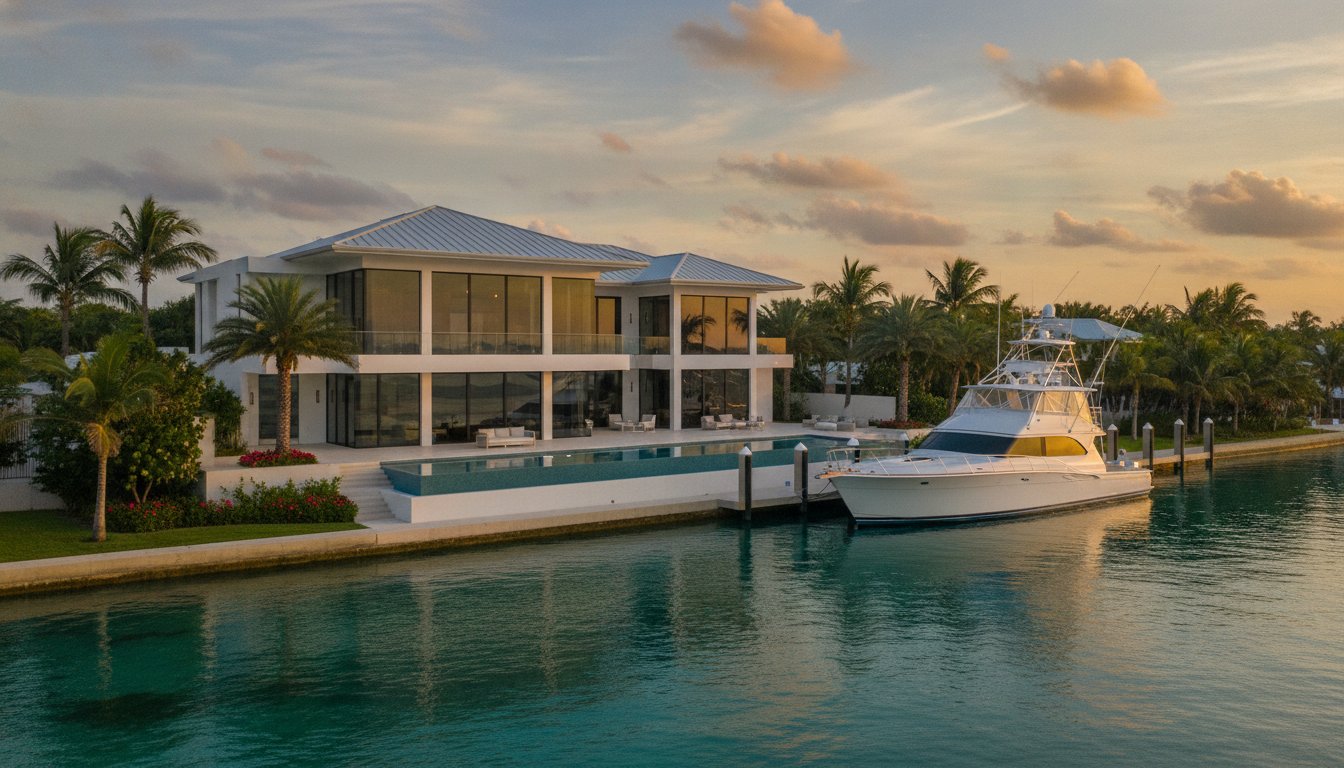
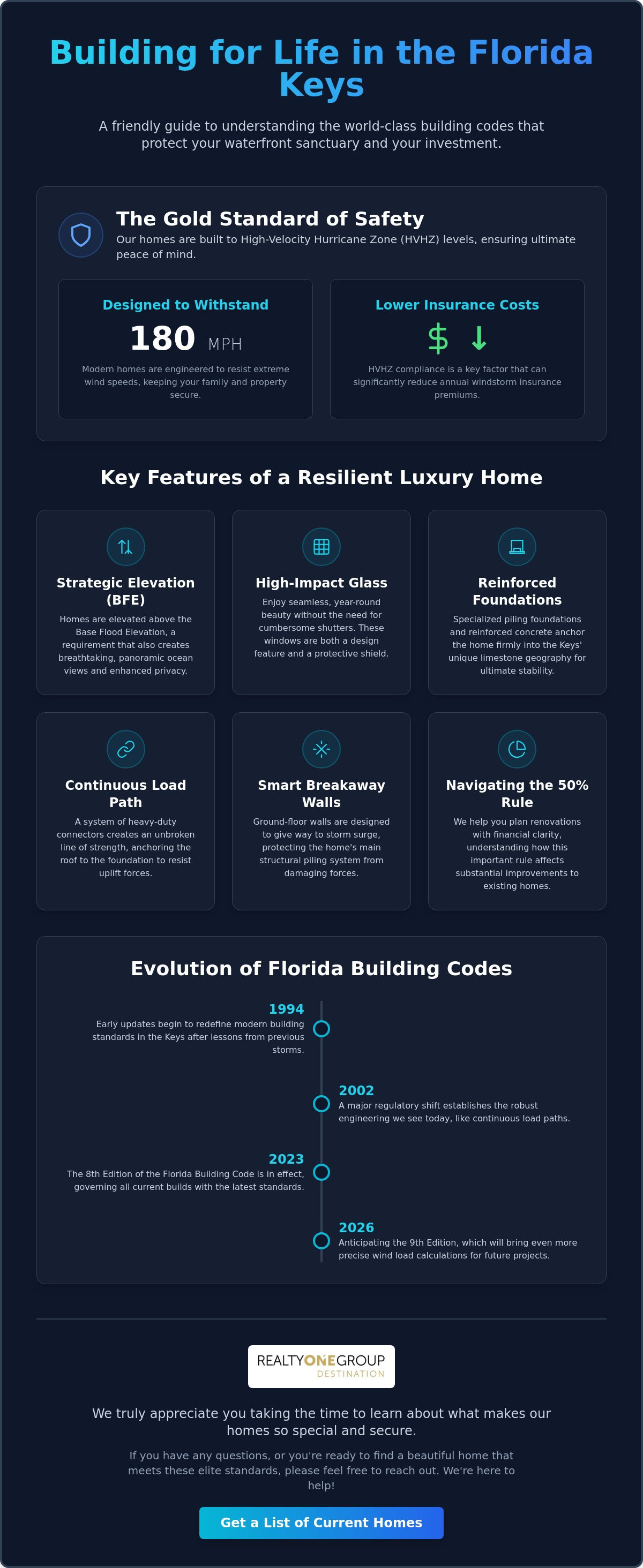
When you're investing in a multi-million dollar waterfront estate, the strength of the structure is just as vital as the sunset views. You might hear the term High-Velocity Hurricane Zone (HVHZ) frequently during your property search. While this specific designation officially applies to our neighbors in Miami-Dade and Broward, the Florida Keys hurricane building codes have evolved to mirror these elite engineering standards. We treat these requirements as the gold standard because they ensure your sanctuary remains a secure financial asset for decades to come.
The real shift in our local landscape began after the lessons of the early 1990s. The 1994 and 2002 regulatory updates completely redefined what a "modern" Keys home looks like. Today, structural integrity is a premium luxury feature. Buyers aren't just paying for high-end finishes; they're paying for the peace of mind that comes with a home designed to withstand wind speeds reaching 180 MPH. Newer builds command a premium price because they've already cleared the highest hurdles of modern engineering.
The Evolution of the Florida Building Code (FBC)
The Florida Building Code (FBC) works in tandem with Monroe County local ordinances to create a layered defense for your property. The 8th Edition (2023) currently governs our builds, but we're already looking toward the 9th Edition in late 2026 for even more precise wind load calculations. If you're considering a "grandfathered" property, it's essential to have a different valuation strategy. These older homes may lack the continuous load paths found in post-2002 estates, which can impact both your renovation budget and your long-term equity.
HVHZ-Level Standards vs. Standard Florida Codes
What makes these standards so different from typical construction? It's all about the connection points. HVHZ-equivalent requirements mandate heavy-duty roof-to-wall connectors and a continuous load path that anchors the entire house to the foundation. This level of compliance significantly slashes your annual windstorm insurance premiums while protecting your architectural investment. HVHZ compliance is the single most important factor in luxury home resilience because it ensures the building envelope remains sealed against the most extreme pressures.
We truly appreciate you taking the time to understand these vital protections. If you have any questions or would like a list of current homes on the market that meet these elite structural standards, please reach out to us anytime. We're here to help you find a home that's as safe as it is beautiful.
Key Engineering Features of Resilient Luxury Estates
Resilience in a luxury home isn't just about survival; it's about preserving an elevated lifestyle. Many buyers worry that strict Florida Keys hurricane building codes might compromise their architectural vision. In reality, modern engineering allows for breathtaking designs that remain incredibly secure. Take Base Flood Elevation (BFE) for example. While elevating a home on stilts is a requirement, it also provides the distinct advantage of sweeping, unobstructed ocean views that would be impossible at ground level. This elevation creates a private sanctuary, lifting your living space above the bustle and into the breeze.
Structural integrity starts at the bedrock. Luxury estates in the Keys often utilize reinforced concrete and specialized piling foundations to anchor the home firmly into our unique limestone geography. To understand the specifics of how these elements work together, you can review the official Monroe County building requirements. These rules ensure that even the ground floor is smartly designed with breakaway walls. These walls are engineered to give way to storm surge, protecting the main structural pilings while allowing you to use the lower level for parking or storage.
The Aesthetic of Resilience
Modern luxury architecture now integrates impact-resistant glass as a primary design element. These high-end windows don't just meet code; they eliminate the need for unsightly shutters, allowing for panoramic beauty 365 days a year. When you search for your dream waterfront estate, look for these seamless integrations of safety and style. The use of reinforced concrete allows for wide-open floor plans and expansive balconies that maximize the tropical environment.
Secondary Protection Systems
True luxury means never losing your comfort. Most top-tier estates now include whole-home generators with significant fuel storage, ensuring you stay cool and connected regardless of the weather. Roof materials have also evolved. Many owners now opt for high-grade metal or reinforced tile to provide maximum wind uplift resistance. For a deeper look at what to prioritize in a 2026 purchase, check out our Luxury Waterfront Homes for Sale in the Florida Keys: The Ultimate 2026 Buyer’s Guide.
We truly appreciate you taking the time to learn about these sophisticated building standards. If you have any questions or would like a list of current homes on the market that feature these elite engineering systems, please reach out to us anytime.
Navigating the 50% Rule for Luxury Renovations
The 50% rule is often the most misunderstood hurdle for owners of vintage waterfront estates. In simple terms, if your renovation costs equal or exceed 50% of the structure's market value, the entire home must be brought into compliance with current Florida Keys hurricane building codes. This often includes the significant task of elevating the home to or above the 100-year flood elevation. While this sounds daunting, it's actually a strategic framework designed to safeguard your equity. The Florida Building Code provides the technical foundation, but your local Floodplain Manager in Islamorada or Key Largo is the one who will verify the specific math for your project.
To navigate this successfully, you must distinguish between market value and construction cost. Remember, the 50% is calculated against the value of the structure alone, excluding the land. For a high-end estate, a professional appraisal can often establish a higher structural value than tax assessments, giving you more room for that designer kitchen or master suite expansion. It's about being smart with the numbers to ensure your sanctuary remains a sound financial asset.
Planning Your Luxury Remodel
Monroe County typically looks at a cumulative five-year window for these improvements. This means you can't simply split a massive project into two years to bypass the threshold. However, focusing on non-substantial repairs, like updating aesthetic finishes or high-efficiency systems, can still dramatically enhance your property's allure without triggering a full rebuild. If you're curious about your current equity position, you can request a professional valuation of your property to see exactly where you stand before you begin your design phase.
Renovating for Modern Compliance
Sometimes, it makes the most financial sense to lean into full compliance. Bringing an older property up to modern standards immediately slashes insurance costs and positions the home as a turnkey asset for future buyers. This foresight is a major theme in our Selling a Luxury Home in the Florida Keys: The 2026 Seller’s Guide. A code-compliant home isn't just safer; it's significantly more marketable in our high-stakes environment.
We truly appreciate you taking the time to explore these renovation strategies with us. If you have any questions or need clarification on how these rules apply to a specific property, please reach out to us anytime. We'd also be happy to provide a list of current homes on the market that already meet or exceed these modern compliance standards.
Due Diligence: Verifying Code Compliance During Your Purchase
Buying a luxury estate in the Keys is a dream, but the paperwork behind the scenes ensures it doesn't become a headache. Your most vital piece of evidence is the elevation certificate. This document confirms the home's height relative to the required base flood elevation, directly influencing your insurance costs and future renovation potential. We always recommend a specialized hurricane-resistance inspection to verify that the Florida Keys hurricane building codes were followed to the letter, checking everything from roof clips to the impact rating of every window.
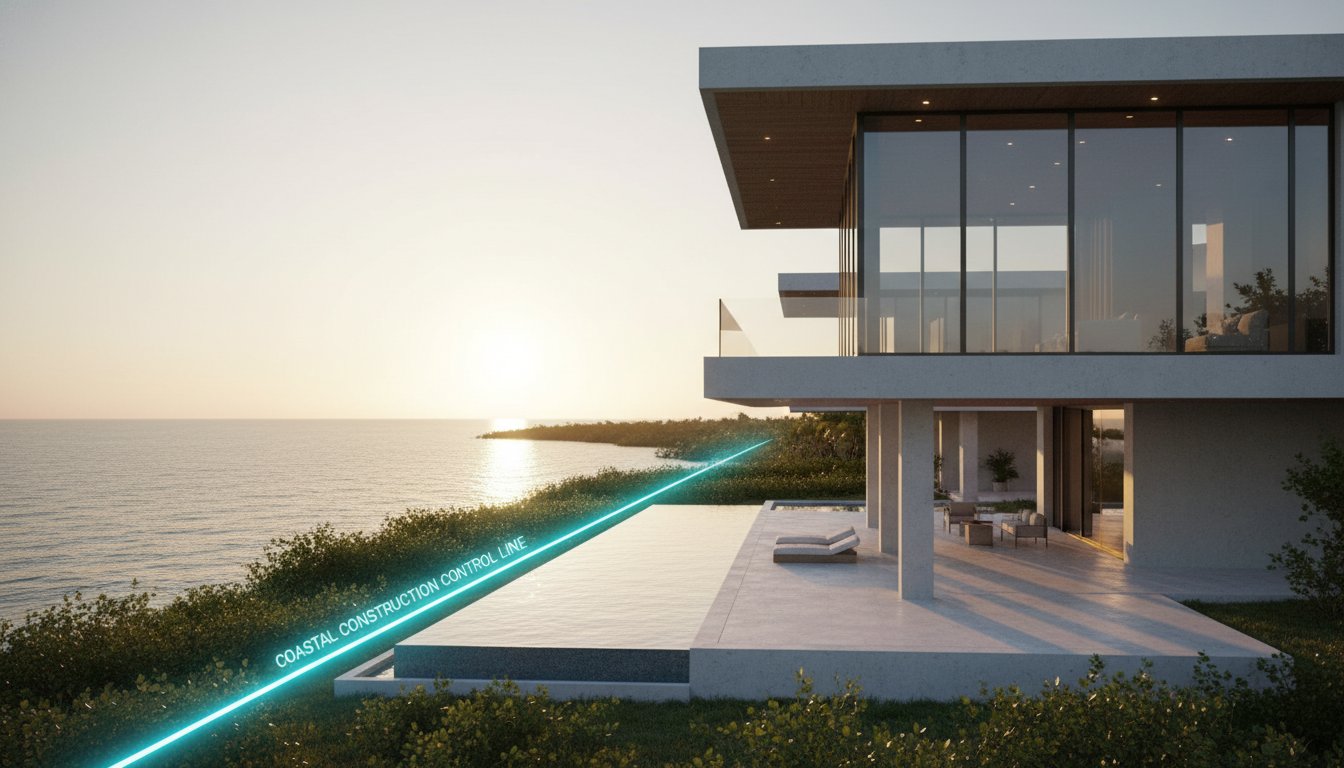
It's also essential to look for open permits or unpermitted additions, especially in areas like Key Largo and Islamorada. These can be costly surprises after the closing. We also review the property survey to interpret the Coastal Construction Control Line (CCCL). Knowing exactly where this line sits helps you understand where you can build or expand on your waterfront lot without running into regulatory roadblocks. It's about ensuring your investment is as solid as the limestone it sits on.
The Buying Strategy for Waterfront Estates
How do you spot a compliant home during a tour? Look for the small details, like the permanent etching on the corner of impact glass or the specific fasteners on the roof. Don't be afraid to ask the seller about past storm performance and their specific insurance history. You can search all current Florida Keys listings to find properties that have already undergone these rigorous checks and meet modern standards.
Partnering with a Local Expert
Having a trusted advisor who knows the specific shorelines of Tavernier and Islamorada is a strategic asset. We connect you with the right coastal engineers and building department officials to ensure no stone is left unturned. This thorough approach provides the peace of mind that your new home is a protected sanctuary. We truly appreciate you joining us for this deep dive into our local building standards. If you have any questions or need a list of current homes on the market that meet these elite criteria, please reach out to us anytime.
Secure Your Tropical Legacy
Mastering the Florida Keys hurricane building codes is the ultimate way to ensure your island home remains a sanctuary for generations. By understanding the elite engineering behind modern wind standards and the strategic math of the 50% rule, you're not just buying a view; you're securing a resilient financial asset. With over 20 years of local expertise, we specialize in uncovering the most sophisticated estates across Islamorada, Key Largo, and Tavernier. As a 5-star reviewed trusted advisor, we're dedicated to guiding you through every technical detail with polished competence and neighborly warmth.
Ready to find your protected waterfront sanctuary? Explore Krissy’s exclusive listings.
We truly appreciate you visiting us today. Please reach out with any questions or clarifications you may have about our local market. We'd be delighted to provide you with a personalized list of current homes on the market that meet these elite high-velocity standards.
Frequently Asked Questions
Is a newer home always safer than an older home in the Florida Keys?
Newer homes are almost always safer because they're built to the rigorous 8th Edition (2023) standards. Homes constructed after the major code shifts in 1994 and 2002 show significantly less damage to roofs and walls after a storm. While you can retrofit an older estate, a new build is engineered from the foundation up to meet current Florida Keys hurricane building codes, designed to withstand wind speeds up to 180 mph.
How does the 50% rule affect my ability to install a luxury pool or deck?
Installing a luxury pool or deck usually won't trigger the 50% rule if the structure remains detached from your main residence. Since the 50% calculation applies specifically to the market value of the primary building, these exterior lifestyle features are often treated as separate site improvements. It's a smart way to enhance your outdoor living space without forcing a full-scale structural elevation of your older waterfront home.
Can I get a mortgage on a home that is not currently code-compliant?
You can certainly obtain a mortgage on a non-compliant home, though your monthly carrying costs will likely be higher. Lenders require wind and flood insurance, and premiums for older properties that don't meet modern Florida Keys hurricane building codes can be substantial. Many of our clients find that bringing a home into compliance is a strategic move that pays for itself through significantly lower insurance rates and increased resale value.
What is the difference between an Elevation Certificate and a Survey?
A survey identifies your property boundaries and the footprint of your structures, while an Elevation Certificate focuses strictly on vertical height. The Elevation Certificate is the essential document your insurance agent needs to determine your flood risk. It measures the "lowest floor" of your estate against the Base Flood Elevation (BFE) required for your specific location, ensuring your sanctuary is properly protected.
How often do the Florida Building Codes change for Monroe County?
The Florida Building Code is updated on a methodical three-year cycle to incorporate the latest engineering advancements. The current 8th Edition (2023) became effective on December 31, 2023. We're already looking ahead to the 9th Edition, which is scheduled to take effect on December 31, 2026. This regular update cycle ensures that our local estates remain some of the most resilient and high-value properties in the world.
We truly appreciate you taking the time to explore these details with us today. If you have any questions or need further clarification on these requirements, please reach out to us anytime. We'd also be happy to provide a personalized list of current homes on the market that meet these elite structural standards.