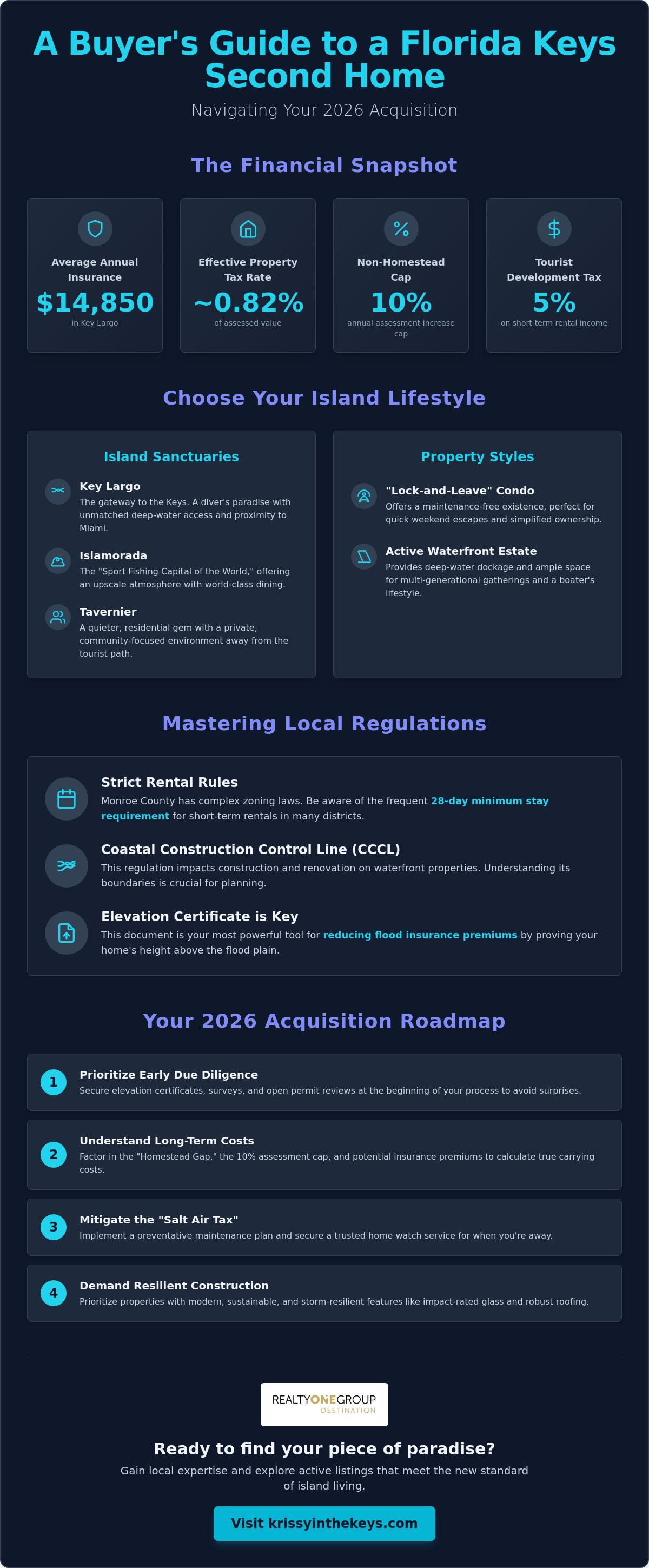
Is the dream of waking up to a turquoise horizon in Key Largo worth the $14,850 average annual insurance premium? While the allure of a tropical retreat is undeniable, the reality of owning property here involves a sophisticated dance with Monroe County's specific regulations. You likely already know that the Keys offer a lifestyle unlike anywhere else in the world, yet you might be feeling the weight of uncertainty regarding high premiums and shifting rental laws. This Florida Keys second home buyers guide is designed to replace that hesitation with professional insight, ensuring your slice of paradise remains a rewarding asset rather than a logistical burden.
We'll master the financial nuances of the 10 percent annual assessment cap for non-homestead properties and the current 5 percent Tourist Development Tax. You'll gain a clear understanding of which specific zoning districts allow for lucrative short-term rentals and how to manage a waterfront estate from a distance. From navigating the Coastal Construction Control Line to identifying the turn-key properties that drove 89 sales in Key Largo this past April, this guide provides the local expertise required for a successful 2026 acquisition.
Key Takeaways
- Identify the distinct lifestyle advantages of Key Largo and Islamorada to determine if a lock-and-leave condo or an active waterfront estate suits your vision.
- Use this Florida Keys second home buyers guide to navigate the "Homestead Gap" and understand how the 10 percent assessment cap impacts your long-term carrying costs.
- Decipher complex Monroe County zoning laws to ensure your property meets strict rental requirements, including the frequent 28-day minimum stay rules.
- Mitigate the local "Salt Air Tax" by implementing a specialized preventative maintenance plan and securing a trusted home watch service for your time away.
- Master the 2026 acquisition roadmap by prioritizing early due diligence on elevation certificates, surveys, and open permit reviews.
Defining the Florida Keys Second Home Lifestyle in 2026
Why do so many families find themselves drawn to the Florida Keys year after year? It's more than just the salt air. In 2026, the second home market has evolved into a sophisticated blend of adventure and sanctuary. This Florida Keys second home buyers guide explores how the Upper Keys have become the premier destination for those seeking a legacy property that balances modern luxury with a rugged, coastal soul. The allure is visceral. It's the feeling of the boat hitting the glassy water at dawn and the quiet satisfaction of a sunset that belongs only to you.
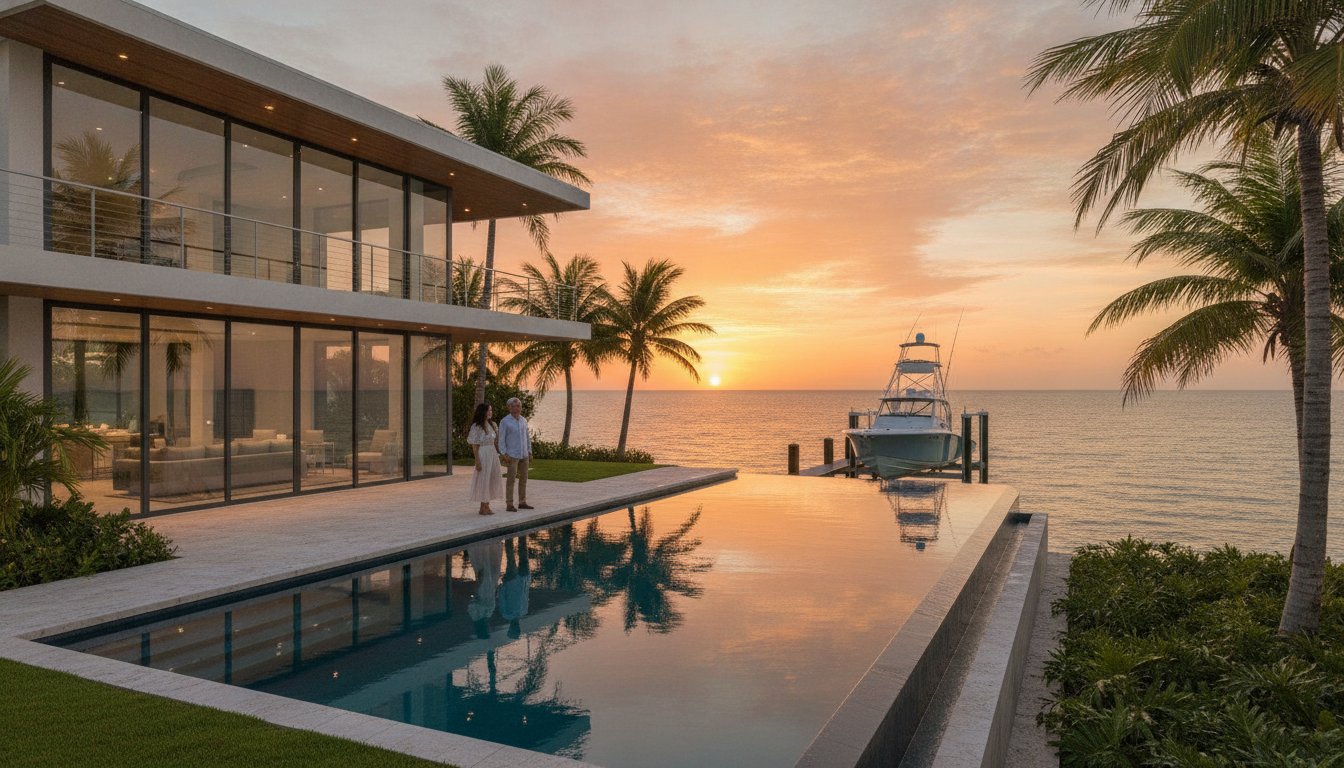
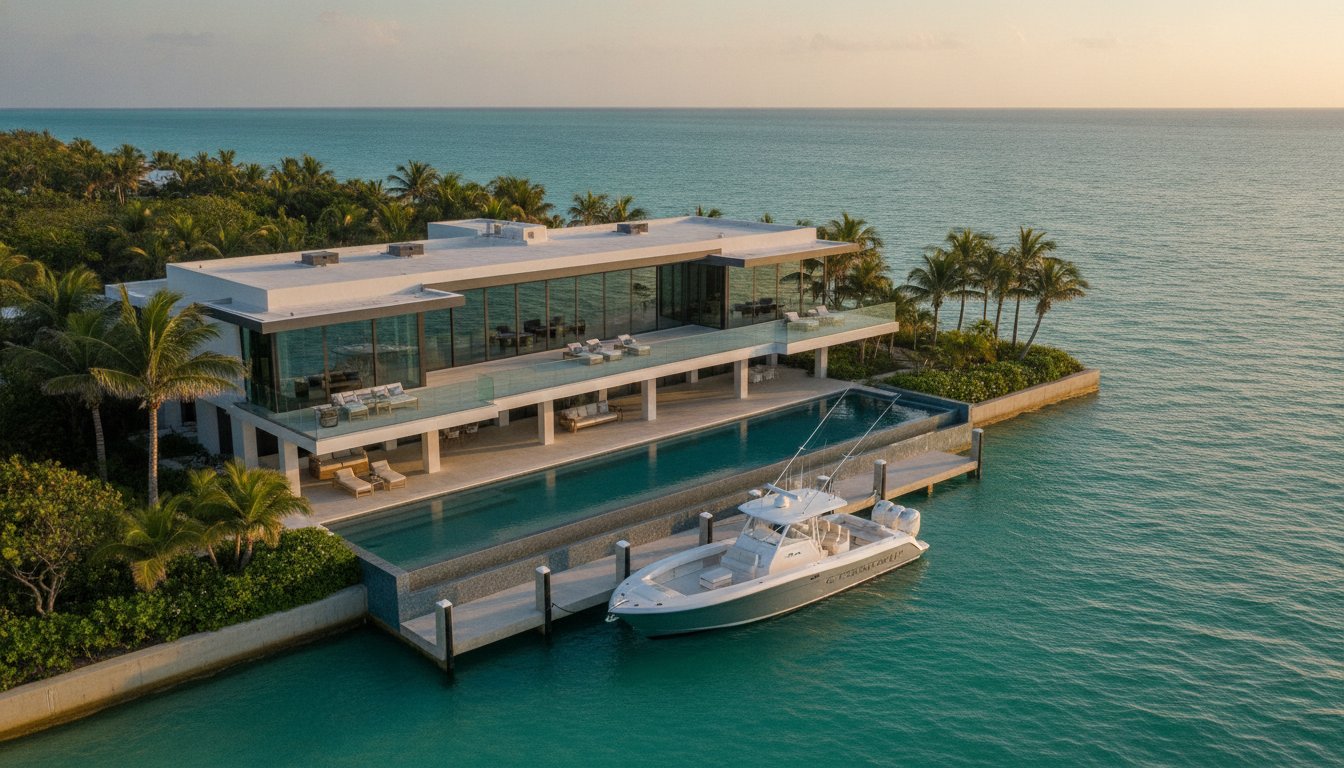
Are you looking for a "lock-and-leave" luxury condominium or a sprawling waterfront estate? The choice defines your daily rhythm. A high-end condo offers the freedom of a maintenance-free existence, perfect for quick weekend escapes from the mainland. Conversely, an active waterfront estate provides the space for deep-water dockage and multi-generational gatherings. While previous years saw a frantic rush for any available square footage, 2026 buyers are more discerning. They prioritize quality, location, and the emotional ROI that comes from owning a piece of paradise where their children and grandchildren can connect with the natural world.
Key Largo vs. Islamorada: Choosing Your Island Sanctuary
Key Largo serves as the gateway, offering unmatched proximity to Miami and some of the best deep-water access in the islands. It's a diver's paradise and a boater's dream. Islamorada, the "Sport Fishing Capital of the World," leans into a boutique, upscale atmosphere where world-class dining meets a storied fishing culture. For those craving a quieter, more residential feel, Tavernier remains a hidden gem. It offers a private, community-focused environment that sits comfortably away from the primary tourist path, making it ideal for long-term seasonal stays.
The 2026 Luxury Market Pulse
The current market shows a distinct shift in buyer demographics. We're seeing an influx of domestic buyers who view the Keys as a primary secondary residence rather than just a vacation spot. They aren't just looking for views. They're demanding high-tech home offices and sustainable, storm-resilient construction that stands the test of time. The Upper Keys market is a stable, high-demand corridor for domestic luxury buyers. If you're ready to see how these trends are shaping current inventory, you can explore our active property search to find estates that match this new standard of island living.
The Financial Reality: Property Taxes, Insurance, and the Homestead Gap
Investing in a secondary island retreat requires a sharp pencil and a clear view of the long-term horizon. While primary residents benefit from significant Florida property tax exemptions, second home owners face a different set of rules. This Florida Keys second home buyers guide helps you bridge the "Homestead Gap" by understanding how ad valorem taxes and insurance premiums interact over time. It's about more than the purchase price. It's about the sustainable carrying cost of your paradise.
Property Taxes for Non-Residents
In Monroe County, the average effective property tax rate sits at approximately 0.82 percent of the home's assessed value. For non-homestead properties, Florida currently provides a 10 percent annual cap on assessment increases. This protects you from sudden spikes in market value. However, a significant constitutional amendment on the November 2026 ballot could reduce this cap to 5 percent starting in 2027. We track these legislative shifts closely because they directly impact your bottom line. To see how these variables might affect a specific property you have in mind, you can calculate your potential investment value here and get a clearer picture of your expected equity growth.
Insurance Strategies for High-Value Waterfront Estates
The insurance environment remains a top priority for our clients in 2026. With the average annual premium in the Keys reaching $14,850, precision in your policy selection is non-negotiable. Your Elevation Certificate is your most powerful tool here. It dictates your flood insurance premiums by proving how high your living space sits above the flood plain. Don't overlook windstorm mitigation. Specific upgrades like impact-rated glass or secondary water resistance on your roof can trigger substantial premium credits. We often recommend working with local, Keys-specific agents who have deep relationships with both the private market and Citizens Property Insurance to find the most competitive coverage for your estate.
Beyond the major line items, don't forget to budget for the "Hidden Costs" unique to our environment. The salt air is beautiful, but it's also corrosive. You'll need specialized preventative maintenance for your HVAC systems and regular exterior wash-downs to protect your hardware. These small, consistent investments prevent large, unexpected repairs down the road. If you're curious about which neighborhoods offer the best balance of tax value and insurance stability, it's a great time to browse our current waterfront listings and compare their specific data points.
Navigating Coastal Regulations: Zoning, Rental Rules, and the CCCL
Owning property in the islands is a privilege governed by a unique set of stewardship rules. You'll quickly find that Monroe County zoning is far more granular than what you'll encounter on the mainland. Understanding these regulatory layers is essential for any Florida Keys second home buyers guide, as it dictates everything from your ability to host seasonal guests to the height of your seawall. It's not just about the land you own. It's about the specific rights attached to that parcel.
Vacation Rental Licenses and Restrictions
Many buyers hope to offset carrying costs with short-term rentals, but the reality is strictly controlled to preserve community character. In most residential neighborhoods, a 28-day minimum stay is the law. If your investment strategy relies on high-frequency transient rentals, you must target properties specifically zoned as "Tourist Commercial." Before making an offer, we'll help you verify a property's license history and legal standing to ensure your plans align with local ordinances. To understand the financial implications of these rules, read the 2026 Buyer’s Investment Guide for Vacation Properties.
Remember that a 5 percent Tourist Development Tax applies to any rental of six months or less, in addition to state sales tax. Navigating these nuances requires an advisor who knows exactly which streets allow for weekly stays and which are strictly residential. We ensure you don't accidentally purchase a property with restrictions that conflict with your lifestyle goals.
Environmental Protections and the CCCL
For luxury waterfront estates, the Coastal Construction Control Line (CCCL) Program is a critical consideration. This isn't just a line on a survey. It's a regulatory boundary designed to protect the beach and dune systems that shield our homes. Any construction seaward of the CCCL requires a specialized permit from the Florida DEP. This includes projects you might consider routine, such as infinity pools, new docks, or seawall reinforcements.
Beyond building lines, we must respect shoreline setbacks that protect local mangroves and seagrass. These natural features are the backbone of our ecosystem and are protected by strict environmental laws. Navigating the Rate of Growth Ordinance (ROGO) and the Building Permit Allocation System (BPAS) requires local expertise. We guide you through these permitting hurdles, ensuring your renovations or new builds enhance your property’s value while maintaining full compliance with the state's rigorous environmental standards.
Maintenance and Management: Owning Your Paradise from a Distance
Owning a slice of paradise in the Upper Keys is a lifestyle achievement, but preserving that asset requires a specialized approach. When you are hundreds of miles away, your property is constantly interacting with a unique environment. This Florida Keys second home buyers guide emphasizes that maintenance here is a proactive discipline rather than a reactive chore. The "Salt Air Tax" is a reality of island living. It's the cost of keeping the corrosive ocean breeze from reclaiming your hardware, electronics, and HVAC systems while you aren't there to intervene.
Hurricane preparedness for remote owners is another critical pillar of responsible ownership. Your plan must be solidified long before June 1st. This includes securing your dockage, verifying your boat lift’s weight capacity, and having a clear contract with someone to install shutters if a storm approaches. Managing your maritime assets is just as important as the home itself. Ensuring your boat is secure and your dock is maintained prevents costly damage during the summer squalls that characterize our tropical climate.
The Preventative Maintenance Checklist
- AC System Care: We recommend flushing drain lines and applying professional coil protectants every six months to combat salt-induced pitting and prevent mid-summer failures.
- Exterior Envelope: Pressure washing and sealing porous stone or wood surfaces are non-negotiable. This prevents the tropical sun and salt from degrading your home's finish.
- Pool and Landscape: High-UV exposure means pool chemistry can shift rapidly. Consistent professional management ensures your oasis doesn't turn into a project during your next visit.
Remote Management Logistics
Technology has revolutionized how our clients manage their estates from afar. We suggest installing a robust smart home suite, including leak detectors under every sink and remote thermostats to monitor humidity levels. Security cameras provide peace of mind, but they don't replace a professional Home Watch service. These local experts perform weekly walk-throughs, checking for everything from pest intrusions to post-storm debris. Building a network of trusted local contractors is perhaps the most challenging part of remote ownership. Plumbers and electricians here are in high demand and often prioritize long-standing local relationships.
A dedicated property manager often pays for themselves simply by catching a small leak or an AC failure before it becomes a five-figure restoration project. They act as your boots on the ground, ensuring that when you arrive, you spend your time on the water rather than on the phone with repairmen. If you're looking for an estate that offers the right balance of modern infrastructure and ease of management, you can browse our curated selection of high-end waterfront properties to see homes built for the lock-and-leave lifestyle.
Your 2026 Roadmap: Strategy for a Successful Keys Acquisition
Precision is the hallmark of a successful acquisition in 2026. By now, you understand the financial and regulatory layers of the islands, but the actual search requires a different level of tactical focus. This Florida Keys second home buyers guide concludes with a roadmap designed to move you from an aspirational browser to a confident owner. In a market where high-end inventory moves with purpose, your strategy must be as refined as the estates you're touring. It's about knowing exactly what to look for before you ever step foot on a dock.
Define your "Must-Haves" with absolute clarity. Are you prioritizing deep water dockage for a large center console, or is the privacy of a gated community in Key Largo your primary driver? We perform specialized due diligence long before the closing table. This includes a rigorous review of open permits, updated surveys, and elevation certificates. These documents are the foundation of your investment. We also highly recommend a "Boater’s Survey" for any waterfront purchase. You need to verify channel depths at low tide and confirm bridge clearances to ensure your maritime lifestyle isn't restricted by the very geography you're buying into.
Searching for Your Dream Property
Finding the right sanctuary requires tools that go beyond the standard national portals. You need data on canal widths, shorelines, and specific neighborhood ROGO statuses. Whether you are looking for a sprawling estate in Islamorada or a secluded retreat in Tavernier, our specialized search tools help you filter for the exact criteria that matter to luxury buyers. You can start your Upper Keys property search here to see the latest waterfront opportunities. For those specifically focused on the "Sport Fishing Capital of the World," don't miss our guide on how to buy a vacation home in Islamorada.
Closing with Confidence
The Florida "As-Is" contract is the standard here, but the nuances of Monroe County inspection periods require an expert touch. We manage these timelines with military precision, ensuring every environmental and structural check is completed within the window. For our remote buyers, we provide detailed video walkthroughs and proxy inspections that go far beyond a simple FaceTime call. We look at the seawall's integrity, the age of the boat lift motors, and the condition of the impact glass. The Krissy Carnahan advantage lies in this high-touch, boutique approach. We combine advanced negotiating skills with a deep-rooted passion for the local culture to ensure you don't just buy a house; you secure a legacy. When you're ready to navigate this unique market with a trusted advisor, we're here to lead the way.
Ready to Secure Your Upper Keys Legacy?
Owning a slice of paradise is a sophisticated endeavor that extends far beyond the initial walkthrough. This Florida Keys second home buyers guide has provided the essential pillars for a successful 2026 acquisition, from navigating the 10 percent assessment cap to mastering the logistics of remote property management. You now have the clarity to distinguish between a "lock-and-leave" condo and an active waterfront estate, ensuring your investment aligns with your long-term lifestyle goals. Success in this market isn't just about finding a house; it's about securing a legacy with confidence.
As a 5-Star Reviewed Trusted Real Estate Advisor with 20 years of local Keys expertise, I am here to serve as your dedicated advocate. Licensed with Coldwell Banker Schmitt Real Estate Co., I specialize in navigating the intricate intersection of luxury property and Monroe County’s environmental regulations. I combine professional authority with local warmth to ensure your transition into the island lifestyle is as seamless as a sunset on the bay.
Are you ready to move from planning to reality? Find your perfect Upper Keys sanctuary with Krissy Carnahan today and start your journey toward a life on the water. Your slice of paradise is waiting, and we're here to help you claim it.
Frequently Asked Questions
Is it more expensive to own a second home in the Florida Keys than a primary residence?
Yes, second homes typically carry higher carrying costs because they don't qualify for the $50,000 Homestead Exemption available to primary residents. While primary owners enjoy a 3 percent cap on annual assessment increases, second home owners currently face a 10 percent cap. This creates a "Homestead Gap" in property taxes that you must factor into your long-term budget. You'll also pay the full ad valorem tax rate without the benefit of resident-only credits.
Can I rent out my second home in the Florida Keys when I am not using it?
You can rent out your second home, but you must strictly follow Monroe County's specific zoning ordinances. Most residential neighborhoods require a minimum stay of 28 days for any rental. If you want to offer weekly or nightly stays, the property must be located in a specific "Tourist Commercial" district. Any rental of six months or less is also subject to a 5 percent Tourist Development Tax in addition to state sales tax.
What is the Coastal Construction Control Line (CCCL) and how does it affect my purchase?
The Coastal Construction Control Line is a regulatory boundary designed to protect Florida's vital beach and dune systems from harmful development. If your property falls seaward of this line, any construction or renovation projects require specialized permits from the Florida Department of Environmental Protection. It's a critical factor in this Florida Keys second home buyers guide because it directly impacts your ability to modify or expand luxury waterfront estates near the shore.
How much should I budget for insurance on a luxury waterfront home in the Keys?
You should budget approximately $14,850 annually for insurance on a luxury home in the Keys, although this figure varies based on your home's elevation and construction type. This premium typically covers wind, flood, and hazard insurance. Working with a local agent is essential to finding the best private-market rates or Citizens Property Insurance options. Upgrading to impact-rated glass and maintaining a current Elevation Certificate are the most effective ways to lower these costs.
What are the best islands in the Upper Keys for a second home investment?
Key Largo and Islamorada remain the premier choices for luxury second home investments due to their unique amenities and market stability. Key Largo offers unrivaled proximity to Miami and excellent deep-water access for larger vessels. Islamorada provides a boutique, upscale atmosphere that appeals to the global sport-fishing community. For those seeking a quieter sanctuary, Tavernier offers a perfect balance of privacy and community while remaining close to world-class dining and marinas.
Do I need a special inspection for a waterfront home with a dock and boat lift?
We always recommend a specialized marine inspection for any property featuring a dock or boat lift. A standard home inspector won't typically evaluate the structural integrity of pilings below the waterline or the mechanical health of a lift. You should also verify channel depths at low tide and check for any permit discrepancies regarding the dock's footprint. Ensuring these maritime assets are in top condition is vital for protecting your recreational investment.
What happens if I want to renovate my second home in Monroe County?
Renovating in Monroe County requires navigating the Rate of Growth Ordinance (ROGO) and the Building Permit Allocation System (BPAS). Even minor changes often require permits, and major structural modifications are subject to strict environmental setbacks and building codes. You'll need to work with licensed local contractors who understand the specific requirements for storm-resilient construction. This local expertise ensures your project stays compliant and moves through the permitting process as efficiently as possible.
How do I manage my Florida Keys property if I live in another state?
Managing your property from afar is best handled through a combination of smart home technology and a professional Home Watch service. This Florida Keys second home buyers guide recommends installing remote leak detectors and thermostats to monitor your home's environment in real-time. A local Home Watch expert provides the physical "eyes on the ground" needed to check for storm damage, pest issues, or maintenance needs while you're away. This proactive approach prevents small issues from becoming expensive repairs.